Boat Trailer Breakdown on the Way to the Ramp: What to Do in Tavares
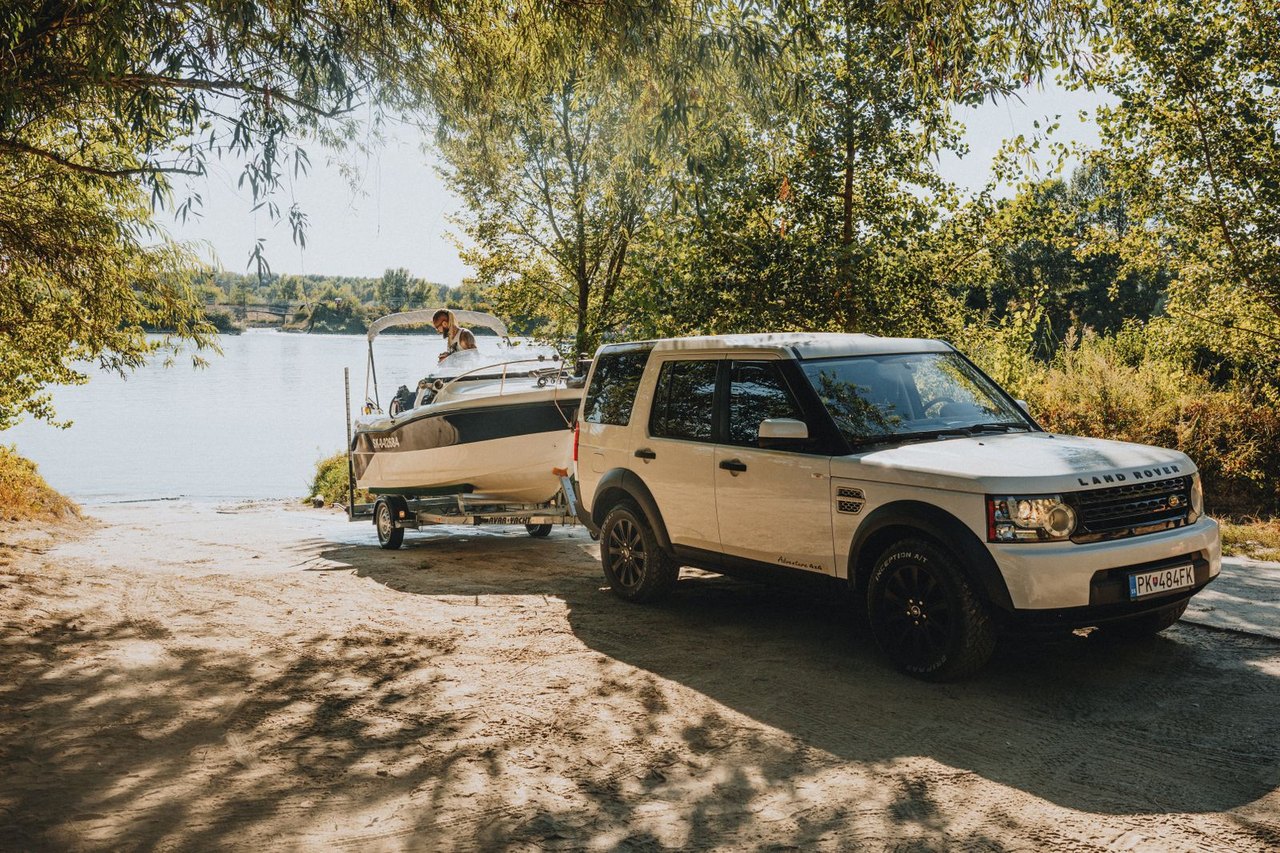
The run from a Tavares driveway to the water is short, which is exactly why it catches people out. Ten minutes down State Road 19 or US 441, and a trailer that sat in the yard since March is carrying a few thousand pounds at 55 mph on tires nobody has looked at. A boat trailer breakdown rarely announces itself the way a car problem does: no warning light, no change in the steering, just a bang, a shudder, or a smell. Here is what goes wrong between the driveway and the ramp around Tavares, what to do on the shoulder, and what a tow operator can do with a loaded trailer.
Get the Whole Rig Off the Road Before You Diagnose Anything
A disabled trailer is a traffic hazard before it is a repair problem, so the first move is distance from traffic, not a look at the wheel. Keep rolling slowly on a flat if that is what it takes to reach a wide shoulder, a side road or a parking lot; a ruined rim costs a fraction of a rear-end collision. Put the hazards on as you slow and leave them on. Once stopped, get everyone out on the side away from the road and stand well back, not between the truck and the trailer, where a coupler that lets go does its damage. On two-lane stretches like County Road 448, the shoulder is often soft sand that will not hold a jack, which is where a roadside assistance call beats a do-it-yourself fix.
Why a Loaded Trailer Is Harder to Clear Than a Car
A boat on a trailer takes a car problem and multiplies it. The rig is long, so it blocks more lane and needs more room to reposition; the weight sits over one or two axles, so a single failed wheel drags the whole load; and nobody is pushing it by hand. A car can sometimes be nursed to the next exit, but a trailer with a seized hub or a shredded tire stops where it stops, usually with the boat still on it. Have the road, the nearest cross street, the axle count and the boat's rough weight ready before you call.
What to Check in the First Five Minutes
- Walk the roadside of the rig and look at every tire, including the spare under the tongue.
- Hold the back of your hand near each hub without touching it; heat you can feel from inches away means a bearing, not a tire.
- Confirm the safety chains and breakaway cable are still attached and the coupler is seated on the ball.
- Run the trailer lights with the hazards on; a dragging or melted harness shows up here first.
- Note whether the boat has shifted on the bunks and the tie-downs are still tight.
Do not crawl under a loaded trailer on a highway shoulder. Florida shoulders are usually sand rather than compacted base, and a bottle jack that sinks an inch while you are underneath leaves no way out. Change a trailer tire only if the ground is firm, the rig is clear of the travel lane, and you can work from the side away from traffic.
Trailer stopped on the shoulder somewhere between Tavares and the ramp? Tell a dispatcher the road, the boat and which wheel let go, and the right truck can be on its way.
Call Now (352) 517-5260Trailer Tires Fail Differently From the Tires on Your Truck
Trailer tires usually fail from age and pressure rather than from miles, which is why a tire with deep tread can still come apart. Special Trailer, or ST, tires are built with stiff sidewalls to resist sway and are not designed to steer or drive; they carry load and little else, and spend most of their life parked in Florida sun. NHTSA warns that underinflated tires are visually difficult to detect and can cause blowouts and tread separation, and that some manufacturers recommend replacing tires six to 10 years old regardless of treadwear, with sunlight, warm climates and poor storage all accelerating that aging. A trailer parked beside a Tavares house for eight months a year lives in the worst case of every one of those conditions. Two habits prevent most of these calls: check cold pressure against the number on the trailer's own sidewall before each trip, and read the four-digit date code so you know how old the rubber is. The spare counts too; it is usually the oldest tire on the trailer.
A Hot Hub Is the Warning Most Boaters Drive Past
Wheel bearing failure is the other classic boat trailer breakdown, and unlike a blowout it gives warning if you know to look. A bearing running dry heats the hub, and the sequence from warm to smoking to seized plays out in a few miles. Boat trailers are especially exposed because hot hubs get backed into the lake and cool fast, drawing water past a worn seal and washing out the grease. Dexter, one of the largest trailer axle manufacturers, calls for lubricating bearings every 12 months or 12,000 miles and recommends repacking them annually, which for most Lake County boats is once a season, not once in the life of the trailer. If a hub is too hot to hold your hand near, stop. Driving on a seized bearing can weld the hub to the spindle, and then the wheel either stops turning or leaves the trailer entirely.
Sway, Lights and the Breakaway Cable Florida Expects You to Have
Florida sets equipment rules for trailers, and the parts it cares about are the parts that strand people. Florida Statute 316.261 requires trailers over 3,000 pounds built after January 1, 1972 to have brakes acting on all wheels that apply automatically and stay applied for at least 15 minutes after a breakaway; lighter trailers may run without brakes only when the loaded trailer stays under 40 percent of the tow vehicle's gross weight. Florida also requires safety chains or cables strong enough to hold the connection under all conditions. So the breakaway cable is not decoration, and one clipped to the ball mount instead of the truck frame does nothing if the coupler lets go. Sway is the related failure, usually a loading problem: too little tongue weight, a heavy cooler behind the axle, or a boat that slid back on the bunks. If the trailer starts to wander, ease off the throttle without braking hard, let it settle, then stop and check the load.
What a Tow Operator Can and Cannot Do With a Loaded Trailer
A tow truck can almost always move the tow vehicle; whether it can move the trailer depends on the boat. If the trailer still rolls, the truck gets towed while the trailer is secured or hitched to another vehicle. When the trailer is the casualty, options narrow: a single flat on a tandem can sometimes be handled roadside, but a seized hub, a broken spindle or a failed axle means it will not roll at all. A flatbed can carry a small trailer outright and a rolling trailer can be relocated a short distance, while a large boat on a crippled trailer usually needs a second trailer or a marine hauler rather than a wrecker. Trailer calls are judged on site, so tell the dispatcher the boat's length and rough weight, the axle count, which wheel failed, and whether you are on pavement or sand.
The Ramp-Day Walkaround That Prevents Most of This
Most of what strands a trailer on the way to the Harris Chain is visible in a five-minute walkaround. Pressure on every trailer tire including the spare, a look at the sidewall date codes, a hand near each hub after the first few miles, lug nuts checked with a wrench, lights run through once, and the breakaway cable clipped to the frame cover nearly every common failure. Lake County gives plenty of chances to practice: a boating guide from Lake County Economic Development and Tourism lists 43 public boat ramp locations across the county, with 12 paved ramps at Hickory Point alone and a fishing tournament there almost every weekend. The trailers that break down are almost always the ones that sat between those weekends.
Boat Trailer Questions Tavares Drivers Ask
Can I keep driving on a boat trailer with one flat tire?
No on a single-axle trailer, and only far enough to reach a safe shoulder on a tandem. A tandem will limp on the remaining tire, but that tire is now carrying roughly double its rated load and a second blowout usually follows within a few miles. Move at walking pace only until the rig is clear of traffic, then stop.
How do I tell a tire problem from a bearing problem?
Heat and sound tell them apart. A tire failure is sudden, loud and visible; a bearing announces itself with a hot hub, a rumbling noise that changes with speed, and sometimes grease flung onto the inside of the wheel. If the wheel looks fine but the hub is radiating heat, treat it as a bearing and stop driving.
Does a tow truck have to take the boat too?
Not necessarily, and often it cannot. Whether the boat moves depends on its size, the trailer's condition and the equipment dispatched, so a small aluminum boat on a rolling trailer is a different job from a 24-foot hull on a broken spindle. Describe the boat and the failure on the phone so the right truck is sent first time.
How often should boat trailer bearings be serviced in Florida?
Once a season is a reasonable rule for a trailer launched regularly. Dexter's published guidance is lubrication every 12 months or 12,000 miles with an annual repack, and repeatedly dunking hot hubs in lake water is what shortens grease life, so a trailer used weekly on the Harris Chain should not be stretched to a multi-year interval.
Trailer Down Between the Driveway and the Water?
Blown trailer tire on US 441, a smoking hub on State Road 19, or a rig stopped short of the Hickory Point ramps: tell us the boat, the trailer and where you are sitting, and we will send equipment that fits the job.
Call Now (352) 517-5260