Car Stuck in a Ditch Near Tavares? What to Do Before You Try to Pull It Out
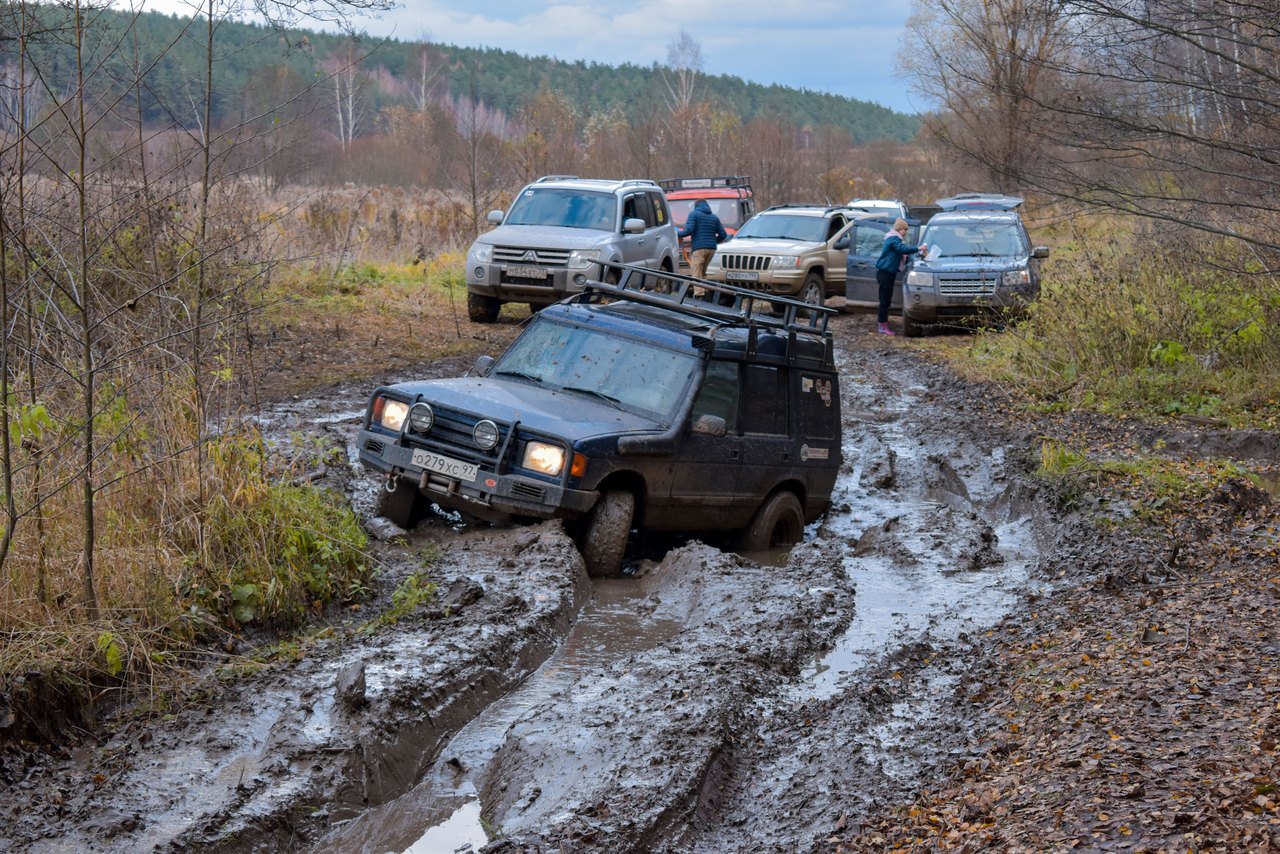
A wet afternoon on a two-lane road like County Road 561 or State Road 19 is all it takes: a tire drifts onto a soft shoulder, the edge gives way, and the car ends up nose-down in a drainage ditch with its wheels off the pavement. The Federal Highway Administration reports that roadway departures, meaning a vehicle that crosses an edge line or otherwise leaves the traveled way, account for 51 percent of all traffic fatalities in the United States, which is why what you do in the first few minutes matters as much as how the car comes out. This guide covers what to do when your car is stuck in a ditch around Tavares and Lake County: what to check first, why self-recovery usually backfires, and when a professional winch-out is the only safe way out.
Get Yourself Out of Traffic Before You Worry About the Car
Your first job after landing in a ditch is protecting the people, not the vehicle. If the car is stable and clear of the travel lane, the safest place is often inside it with your seatbelt fastened; if you must get out, exit on the side away from traffic and move well behind a guardrail or up the embankment. Turn on your hazard lights right away, because they are what triggers legal protection for you. Under Florida Statute 316.126, a driver approaching a stopped or disabled vehicle that is displaying hazard or warning lights must vacate the nearest lane when it is safe, or slow to 20 mph below the posted limit on a two-lane road. On the rural Lake County roads where limits run 55 mph, that gap between a truck passing at full speed and one that has slowed is the difference that keeps a bad morning from turning into a worse one. Make the call for help before you start problem-solving, so a recovery truck is already moving while you assess.
Where a Ditch Catches Drivers Around Tavares
The ditches that catch cars in Lake County are usually the deep drainage swales beside two-lane roads, the ones running along County Road 448, County Road 452, and the long stretches of State Road 19 heading up toward the Ocala National Forest. Two local conditions make them worse than they look. The soil at the shoulder edge is often loose sand that crumbles the moment a wheel loads it, and Florida's summer rainy season, roughly June through September, fills those swales with water and turns the banks to soft clay in a single afternoon. The boat-ramp aprons on the Harris Chain of Lakes are another quiet trap, where a slick concrete edge can drop a trailer wheel off into muck. None of these are places to test whether the car can climb out on its own.
The First Few Minutes: A Ground-Level Checklist
- Switch on your hazard lights before you do anything else, and leave them on until help arrives.
- Check everyone for injuries; if someone is hurt or the car is sitting in a live traffic lane, call 911 first.
- If it is safe to get out, do it on the side away from the road and wait behind a barrier or up the bank, never down in the ditch beside the car.
- Look at how the car is resting, whether it is nose-down, high-centered, or has a wheel in water, but do not climb underneath it.
- Note your cross streets or the nearest mile marker so a recovery driver can find you quickly on a rural road.
If the ditch is holding water, treat it as a stop sign. The National Weather Service warns that just 12 inches of moving water can float and carry away most cars and that 6 inches is enough to knock an adult off their feet, so never wade in to check a submerged wheel and never try to drive through a flooded swale to get out.
Nose-down in a ditch somewhere in Lake County right now? Give a dispatcher your road and nearest cross street and a recovery truck can be rolling before you finish reading.
Call Now (352) 517-5260Why Driving or Pushing It Out Usually Makes Things Worse
The instinct to gun the engine and rock the car free is the single most expensive mistake in a ditch. A spinning tire does not climb loose sand or wet clay; it digs, and within seconds the car settles until the frame rests on the ground, high-centered, with the wheels no longer carrying its weight. From there even a strong truck cannot simply drag it out without risking bent control arms, a torn-off bumper, or a cracked oil pan. Pushing by hand is worse: a car that shifts or rolls back pins whoever is behind it, and a wet ditch leaves no room to jump clear. Cheap tow and recovery straps are their own hazard, because a strap or hook that fails under load snaps back with enough force to go through a windshield, which is why real recovery uses rated equipment with everyone clear of the line. If the car did not come out with one gentle, straight pull on firm ground, stop; the next attempt is where the damage and the injuries happen.
A Water-Filled Ditch Is a Different Emergency
Water changes the calculation completely, and not in your favor. A wheel or exhaust sitting in a flooded swale means water may already be reaching the car's electrical system, and even a short drive can pull water into the engine and cause damage that dwarfs the cost of any tow. The bigger risk is to you. The National Weather Service is blunt about the numbers: it takes just 12 inches of rushing water to carry away most cars and 2 feet to move an SUV or truck, and a ditch that looks calm can hide a current where it drains toward a canal or one of the Harris Chain lakes. Do not wade in to hook a strap, do not try to drive through standing water to reach the road, and do not stay in a car that is taking on water; get to high ground and wait. A professional recovery in water runs its winch lines from the bank so that no one has to stand in it, which is exactly the situation where calling beats trying.
What a Professional Winch-Out Actually Involves
A winch-out is a recovery, not a tow, and the difference matters the moment you call for help. A straight tow assumes the vehicle is already on a firm, drivable surface; a recovery is the work of getting it there safely first. An operator arriving at a ditched car reads the scene before touching anything, checking how the car is sitting, whether the ground will hold the truck, where the solid anchor points on the vehicle are, and whether a snatch block is needed to change the pull's angle or double the winch's power. On soft Lake County shoulders the truck itself must be positioned so it does not become the second stuck vehicle, sometimes anchored to a tree or set on boards. Done properly, the car comes out along a controlled line with its weight managed rather than yanked. That careful, equipment-driven process is what most people really want when they search how to get a car out of a ditch, and it is why off-road recovery and winch-out work is priced and equipped differently from a routine flatbed call.
What a Winch-Out or Off-Road Recovery Costs
Cost depends on how deep the car is, how far off the road, whether water is involved, and how much equipment and labor the recovery takes, so a light pull back onto the pavement sits at the low end and a full recovery from a flooded or overturned position at the high end. Industry sources generally put a straightforward winch-out in the range of roughly $100 to $250, with more involved recoveries climbing higher as time and gear add up. Lake County's own towing ordinance is a useful reference for how heavier recovery work is valued: it sets an hourly recovery rate for a passenger vehicle that matches the base tow rate and bills recovery labor by the person per hour. The distinction that changes your bill is who did the calling. A recovery you request yourself is priced by agreement with the company, so ask for the number on the phone, while a nonconsensual tow after a crash falls under the county's capped schedule. Either way, a clear quote before the truck rolls is the mark of a company worth using.
Reading the Ditch Before You Reach for a Strap
Two questions settle almost every ditch: is anyone or anything in danger right now, and can the car realistically come out with a single straight pull on solid ground. If there is water, traffic close by, or a car sitting flat on its frame, the honest answer to the second is no, and the smart move is to protect the people, leave the vehicle in place, and let rated equipment do the work. Getting a car out of a ditch is far less about brute strength than about angles, footing, and knowing when a pull will free the car versus tear something off it. When the shoulder is soft, the water is rising, or the car is in deeper than a good tug can fix, that is the moment to bring in off-road recovery and winch-out help or roadside assistance from Tavares Towing rather than gamble the car, or yourself, on a second try.
Stuck Off the Road? Get a Recovery Truck Moving
From a soft shoulder on County Road 448 to a boat ramp on Lake Dora, we handle winch-outs and off-road recovery across Tavares and Lake County. Tell us where you are and how the car is sitting, and we will bring the right equipment the first time.
Call Now (352) 517-5260